- DIRECT CONTACTS:
- +256 393 002 072
- +256 200 955 001
- kenlinkafrica@gmail.com

Combining Birding Safari with Gorilla Trekking in Uganda
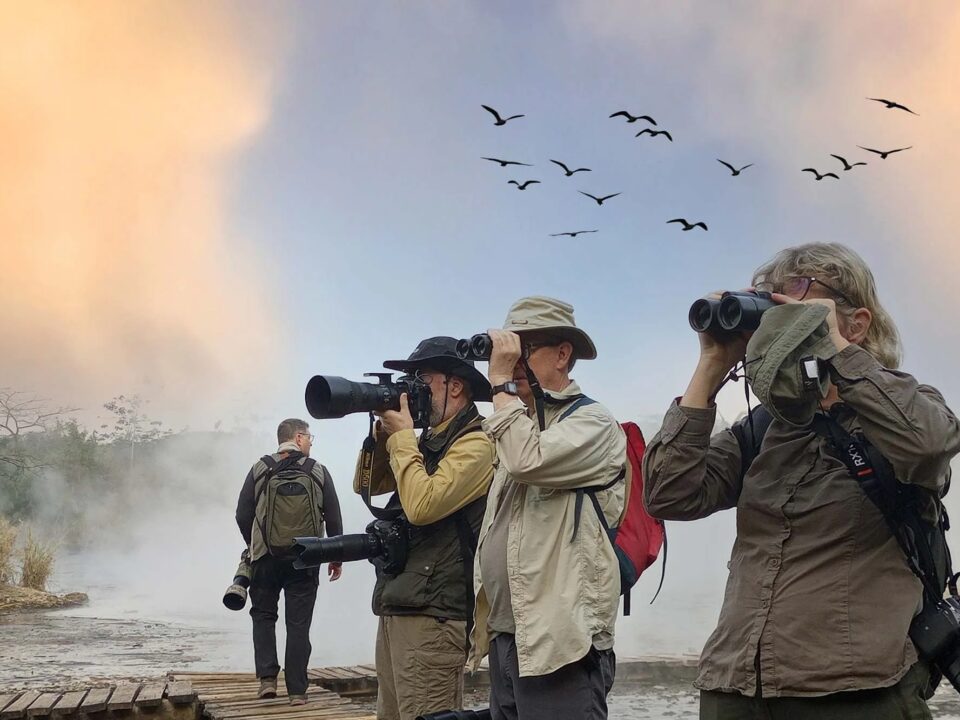
Uganda is one of the very few destinations in the world where birding and gorilla trekking can be combined seamlessly in a single safari. Known as the “Pearl of Africa,” the country hosts over 1,080 bird species and more than half of the world’s remaining mountain gorillas. This rare overlap of extraordinary bird diversity and iconic primate experiences makes Uganda uniquely positioned for travelers seeking both specialized birding and life-changing wildlife encounters. A combined birding and gorilla trekking safari offers depth, variety, and exceptional value, moving from wetlands and savannahs to dense montane forests within a compact and accessible landscape.
Uganda’s Exceptional Bird Diversity
Uganda sits at the crossroads of several ecological zones, including East African savannah, Central African rainforest, Albertine Rift montane forests, and vast wetlands. This convergence explains why the country boasts one of the highest bird species counts in Africa. From colorful turacos and elusive forest endemics to wetland specialists and raptors, birders can encounter an incredible range of species within short travel distances. The Albertine Rift alone supports more than 40 endemic bird species, many of which are found nowhere else on Earth. For serious birders, Uganda is not just a destination but a lifelong checklist highlight.
Gorilla Trekking: A Once-in-a-Lifetime Experience
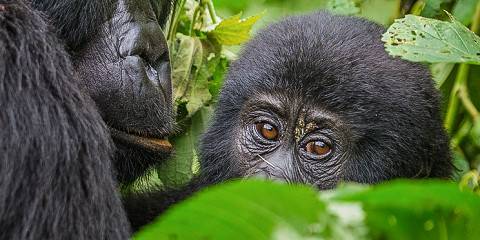
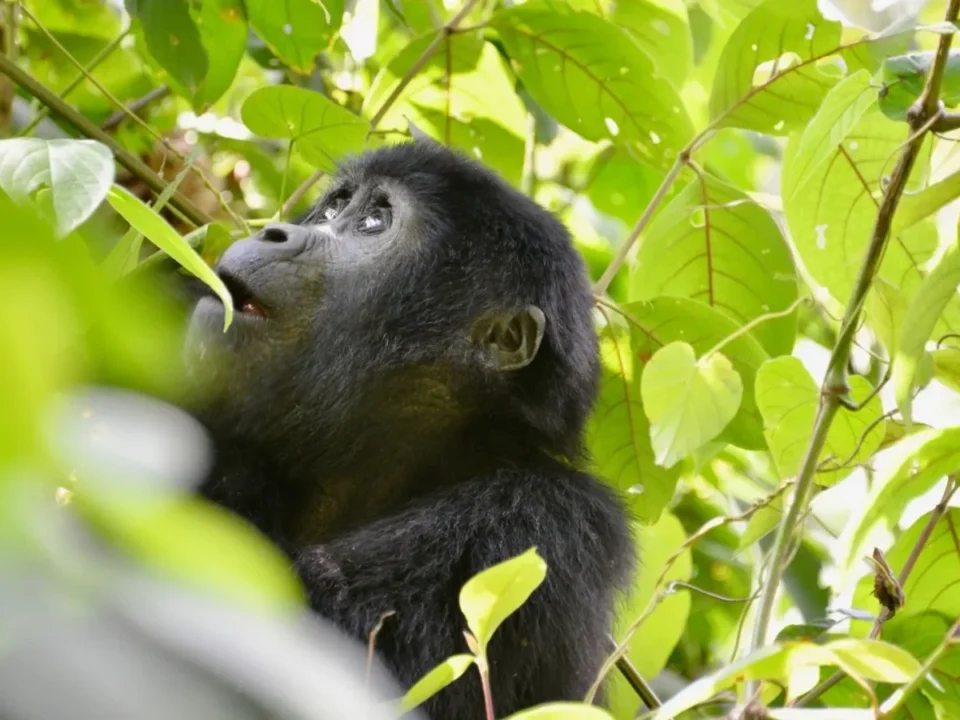
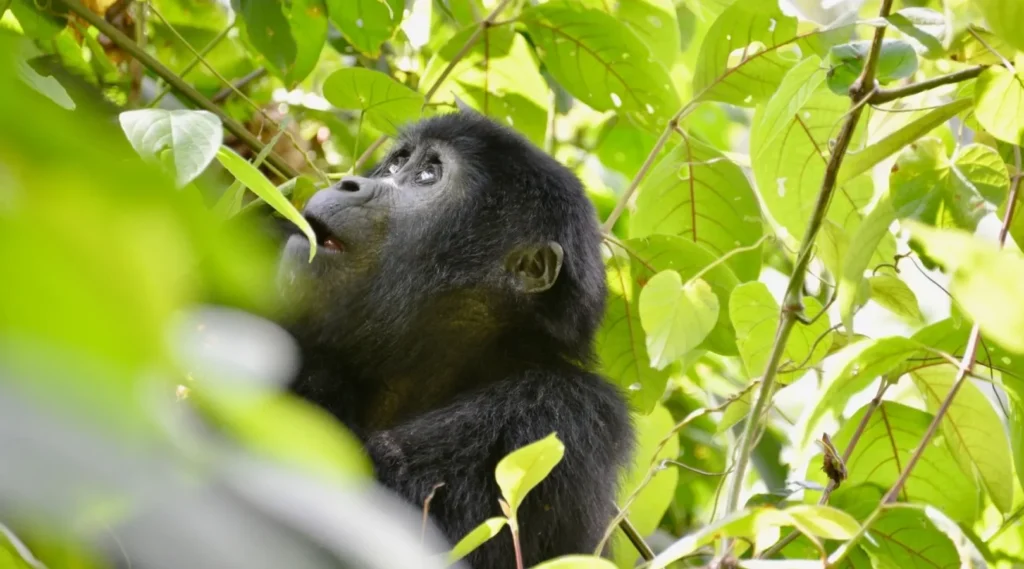
Mountain gorilla trekking is one of Africa’s most profound wildlife experiences. Walking through misty forests, guided by expert trackers, and finally encountering a gorilla family at close range is both humbling and unforgettable. Uganda protects its gorilla population through strict conservation measures and controlled trekking permits, ensuring sustainability and meaningful encounters. Combining this experience with birding adds remarkable depth to a safari, allowing travelers to appreciate both the smallest forest birds and the largest forest primates within the same ecosystem.
Bwindi Impenetrable National Park: Birds and Gorillas Together
Bwindi Impenetrable National Park is the heart of Uganda’s combined birding and gorilla trekking safaris. Famous for its mountain gorillas, Bwindi is also one of Africa’s most important birding sites, with over 350 recorded species. The forest supports 23 Albertine Rift endemics, including the African Green Broadbill and Grauer’s Rush Warbler. Birding is conducted along forest trails, community paths, and riverine edges, making it easy to combine morning bird walks with scheduled gorilla treks. Bwindi proves that gorilla tourism and serious birding can thrive side by side.
Mabamba Swamp: The Shoebill Capital
No birding safari in Uganda is complete without a visit to Mabamba Swamp, the most reliable location in East Africa for spotting the prehistoric-looking Shoebill. Located near Lake Victoria, this papyrus wetland is best explored by canoe, allowing close and respectful encounters with wetland specialists. Mabamba is often included at the beginning or end of a gorilla safari, making it a perfect introductory birding site. In addition to the Shoebill, birders can record papyrus gonolek, blue-breasted bee-eater, and numerous herons and jacanas.
Queen Elizabeth National Park: Savannah Birds and Tree-Climbing Lions
Queen Elizabeth National Park adds a classic savannah dimension to a combined safari. The park hosts over 600 bird species, making it one of the most species-rich protected areas in Africa. Birding here includes crater lakes, open grasslands, woodland, and the famous Kazinga Channel, where boat safaris reveal massive concentrations of waterbirds. For travelers combining birding with gorilla trekking, Queen Elizabeth serves as a scenic and wildlife-rich transition between forest ecosystems, while also offering chances to see elephants, buffaloes, and tree-climbing lions.
Kibale Forest National Park: Forest Birds and Primates
Kibale Forest National Park is best known for chimpanzee trekking, but it is also a premier forest birding destination. With over 375 bird species, including green-breasted pitta and African grey parrot, Kibale complements gorilla trekking perfectly. The forest’s extensive trail network allows for excellent birding before or after primate activities. Many combined safaris include Kibale to provide a broader primate experience while adding another rich birding habitat to the itinerary.
Murchison Falls National Park: Northern Uganda’s Birding Powerhouse
Murchison Falls National Park introduces birders to a different ecological zone influenced by the Nile River and Sudanian savannah. The park is home to over 450 bird species, including the Shoebill, Abyssinian ground hornbill, and secretary bird. A Nile boat cruise is one of the most rewarding birding activities in Uganda, combining spectacular scenery with close-up views of waterbirds and raptors. Including Murchison Falls in a combined safari creates a comprehensive national overview of Uganda’s avifauna.
The Albertine Rift: Endemism at Its Best
The Albertine Rift is one of Africa’s most important biodiversity hotspots, stretching along Uganda’s western border. This region supports exceptional bird endemism, making it a priority for international birders. Combining gorilla trekking with focused Albertine Rift birding allows travelers to target rare species while exploring some of Uganda’s most scenic landscapes. The dramatic escarpments, misty forests, and highland trails create a rewarding and immersive birding environment unlike anywhere else on the continent.
Best Time to Combine Birding and Gorilla Trekking
Uganda is a year-round destination, but the best months for combining birding and gorilla trekking are during the drier seasons, from June to September and December to February. These periods offer easier forest hiking and excellent bird activity. The wet seasons, however, are particularly attractive for birders, as migrant species arrive and resident birds are in breeding plumage. Gorilla trekking remains excellent throughout the year, making it possible to tailor safaris based on birding priorities rather than weather alone.
Conservation and Responsible Tourism
Combining birding safaris with gorilla trekking directly supports conservation efforts across Uganda. Gorilla permits fund habitat protection and community development, while birding tourism encourages the preservation of wetlands, forests, and lesser-known ecosystems. Local guides, lodges, and communities benefit from diversified tourism, reducing reliance on a single attraction. Responsible travel practices ensure that both birds and gorillas continue to thrive for future generations.
Accommodation and Safari Logistics
Uganda offers a wide range of accommodation options, from comfortable mid-range lodges to high-end eco-luxury properties located close to national parks. Most combined safaris are privately guided, allowing flexible birding schedules and personalized pacing. Travel distances are manageable, and internal routes link key birding and gorilla areas efficiently. This logistical ease is one of Uganda’s greatest strengths as a combined safari destination.
Why Uganda Is Ideal for Combined Safaris
Few countries can rival Uganda’s ability to deliver world-class birding alongside gorilla trekking in one cohesive itinerary. The country’s compact geography, skilled local guides, and outstanding biodiversity create an experience that feels both comprehensive and deeply immersive. Travelers do not have to choose between birds and gorillas; Uganda allows them to experience both at an exceptional standard.
Explore One Safari, Two Passions
A birding safari combined with gorilla trekking in Uganda is more than a holiday; it is a journey through some of Africa’s richest ecosystems. From ancient rainforests echoing with bird calls to intimate encounters with mountain gorillas, the experience is both educational and emotionally powerful. For birders, wildlife enthusiasts, and nature lovers alike, Uganda stands unrivaled as a destination where two great passions meet seamlessly in one unforgettable safari.